How Does Automation Reduce Labor on a 50,000-Layer Poultry Farm?
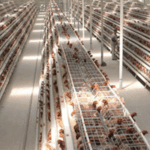
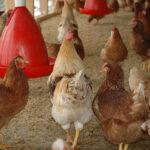
Managing 50,000 laying hens requires an efficient workflow. Automatic poultry equipment can reduce repetitive manual tasks and allow workers to focus on bird health, equipment monitoring, and production management.
Which Tasks Can Be Automated?
Four systems can significantly reduce daily manual work:
-
Automatic feeding: Distributes feed along cage rows without manual carrying.
-
Nipple drinking: Provides a continuous water supply while workers monitor pressure and water quality.
-
Automatic egg collection: Transfers eggs to a collection point, reducing repetitive handling.
-
Manure removal: Uses belts or scrapers to simplify waste management.
Ventilation and environmental control systems also help maintain suitable poultry house conditions.

How Many Workers Are Needed?
For a well-designed, fully automated 50,000-layer farm, around 4–6 regular workers can serve as an initial staffing reference for routine operations. The actual requirement depends on the number of poultry houses, automation configuration, egg packing arrangements, and farm management practices.
Automation does not eliminate the need for workers. Daily flock inspections, equipment maintenance, production records, and emergency response remain essential.
Plan Equipment and Staffing Together
Before purchasing equipment, farmers should consider the poultry house layout, layer chicken cage configuration, egg handling process, and maintenance requirements. A coordinated design helps reduce unnecessary manual work and makes staffing easier to plan.
For a more detailed overview of labor requirements and equipment planning, read this guide to how many workers are needed for a 50,000-layer automatic poultry farm.